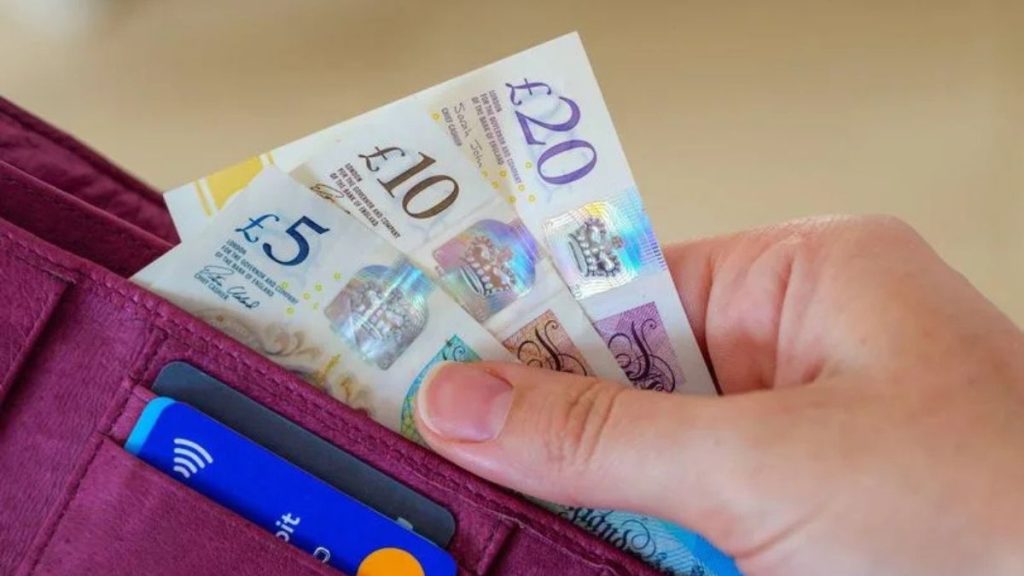
Recent headlines regarding a new HMRC rule and a potential £350 deduction have caused significant concern across the UK. For millions of pensioners, the security of their bank accounts and the stability of their retirement income are top priorities. With the cost of living still weighing heavily on many households, even a small change in financial regulations can feel like a major blow. This article explores what is actually happening with the new rules, who is affected, and how the government plans to manage pension-related payments in 2025 and 2026.
What’s Behind the £350 Deduction Fears?
Rumours have spread quickly that the government may begin withdrawing £350 or more from pensioners’ bank accounts. While some online sources have exaggerated the claims, there is some truth to the changes.
The Public Authorities (Fraud, Error, and Recovery) Act has introduced expanded powers for HMRC and the DWP, and while these powers are targeted at overpayments and fraud, they may result in adjustments to pensioners’ entitlements—including potential deductions.

Government’s New Powers Explained
Under the new law, the DWP and HMRC now have legal access to more detailed financial data via banks. These rules are not aimed at everyday pensioners but are meant to stop benefit fraud and administrative errors. The government says the aim is to protect taxpayer money by checking whether someone is still eligible for what they receive.
This doesn’t mean pensioners will see unexpected money disappear overnight, but transparency and oversight over personal accounts will increase starting with the 2025-26 tax year.
When Can the Government Deduct Money?
In rare cases, the government can now deduct money directly from a person’s bank account. This may occur when:

- A benefit has been overpaid
- A person owes backdated tax
- Previous notices of repayment have gone unanswered
Importantly, these deductions are not random or automatic. The law requires multiple points of contact before any withdrawal occurs. Most pensioners with clean tax and benefit records have little reason to worry.
Where the £350 Figure Comes From
The £350 deduction being discussed widely stems from changes to the Winter Fuel Payment, a benefit designed to help pensioners pay for heating costs. This payment was once nearly universal, but under new means-testing rules, not everyone will qualify for the full amount.
Pensioners earning above new income thresholds—especially those not claiming Pension Credit—may lose part or all of their winter benefit. If they are mistakenly paid and later deemed ineligible, HMRC may recover the funds.
Latest Stories
 Canada Confirms 2026 Wage Hike – See How Much You’ll Earn in Each Province Starting This Year
How HMRC Recovers Overpayments
If a pensioner receives a payment they are not entitled to, HMRC is more likely to adjust their tax code than withdraw funds outright. This spreads the repayment over the year, reducing financial shock.
However, if a pensioner ignores notices or the amount is significant, direct deductions can be used as a last resort. While rare, it’s now a legal possibility for 2025–26.
Major Winter Payment Changes Ahead
Here are the key updates to winter fuel and cold weather support:
- Means Testing Introduced: Only pensioners on Pension Credit or other low-income benefits are guaranteed full Winter Fuel Payments.
- New Income Thresholds: Pensioners above certain earnings may see reduced support.
- Automatic Recovery Enabled: Mistaken or overpaid amounts may be recovered via tax code changes or, in some cases, deductions.
Why the Government Is Acting Now
Officials say these reforms aim to improve fairness and ensure public money is better targeted. With the UK facing budgetary pressure, departments are under orders to clamp down on fraud and error, especially in the pension system.
Supporters argue the move helps protect limited resources. Critics, however, believe it unfairly burdens elderly people who may struggle to navigate digital tax notices or understand changing rules.
What Is the “Simple Assessment” System?
HMRC’s Simple Assessment system is also expanding. This applies to pensioners whose income (including State Pension) slightly exceeds their tax-free allowance.
Instead of filing a full return, these pensioners receive a bill directly from HMRC. If the bill is ignored, the new rules allow for direct deduction from bank accounts—something that was not possible before under traditional models.
How to Protect Your Pension Income
Pensioners can take a few practical steps now to avoid unnecessary deductions:
- Update Your Records: Make sure all your details with HMRC and DWP are correct.
- Check Letters and Notices: Don’t ignore any letter about overpayments or tax changes.
- Ask for Repayment Plans: Engage early to spread repayments over time if needed.
- Avoid Third-Party Scams: Only respond to official letters or websites; ignore calls or texts asking for bank details.
Pension Credit: A Safety Net Worth Claiming
Thousands of eligible UK pensioners are still not claiming Pension Credit, which can act as a financial shield. It provides:
- Extra weekly income
- Automatic access to the Winter Fuel Payment
- Council Tax reductions
- Free NHS dental and optical support
If you qualify for Pension Credit, you are less likely to be subject to deductions, since your benefits are already reviewed and confirmed.
What Role Do Banks Now Play?
Banks are not deducting money themselves. Instead, they have become “data partners” for the DWP and HMRC.
Under the new law, banks are required to:
- Flag unusual financial activity
- Share balance and savings data
- Help verify eligibility for means-tested benefits
The government insists this surveillance is non-intrusive, focusing only on total balances and not what pensioners spend money on.
Are Pensioners Being Unfairly Targeted?
Many advocacy groups argue the reforms may unintentionally penalise law-abiding retirees, especially those who:
- Don’t understand changing rules
- Can’t navigate online portals
- Are unaware of income thresholds
As a result, some pensioners may lose access to payments or face unexpected letters without ever attempting to claim more than they’re owed.
Simple Actions Pensioners Should Take Today
To stay protected, here are the top 3 actions every pensioner should take:
- Review your tax code via your P60 or HMRC account.
- Use the Pension Credit calculator on GOV.UK to check eligibility.
- Monitor your bank statements for any “HMRC” or “DWP” adjustments.
These steps can prevent sudden financial surprises and keep your retirement income secure.
(5) FAQs – Frequently Asked Questions
Q1. Will the government really deduct £350 from my bank account?
Only in rare cases. Most deductions are related to overpaid benefits or tax errors. The government usually adjusts your tax code first before using direct deductions.
Q2. Why are Winter Fuel Payments being reduced?
The payments are now means-tested. Only pensioners on low incomes or receiving Pension Credit will continue receiving the full amount.
Q3. What does the new HMRC law allow?
The new law gives HMRC and the DWP the power to access certain banking data and recover overpayments through direct deductions in exceptional situations.
Q4. How can I avoid losing benefits or facing deductions?
Ensure your financial details are updated, respond to letters from HMRC/DWP, and check if you qualify for Pension Credit to secure broader benefit access.
Q5. Is Pension Credit really that helpful?
Yes. It not only increases weekly income but also provides access to winter payments, council tax discounts, and more—making it a valuable financial buffer.